Key Factors in Residential Garage Door Repair: What Homeowners Should Know
Understanding the Basics of Residential Garage Door Repair
Garage doors are one of the most used entry points in a home, so when something goes wrong, it can throw off your whole day. Residential garage door repair covers a wide range of issues, from broken springs to misaligned tracks, and knowing what to expect can help you make better decisions when problems arise. Whether you live in Minneapolis or St. Paul, the cold winters and hot summers put extra strain on garage door components, so understanding how these systems work is worthwhile.
A typical residential garage door relies on a balance of springs, cables, rollers, and an opener to lift and lower a heavy door smoothly. The torsion spring system, commonly found on modern doors, twists to store energy and counterbalance the door's weight. Older doors might use extension springs mounted on each side. Both types require precise tension to operate safely. If you notice the door jerking, making loud noises, or refusing to stay open, the springs are likely the culprit. Residential garage door repair often begins with a careful inspection of these springs, since they handle the most stress and can fail without warning.
Common Components That Need Attention
Beyond springs, several other parts are frequent subjects of repair calls. The garage door track guides the door's movement, and if it bends or becomes clogged with debris, the door can bind or derail. The rollers that ride along the track also wear down over time, especially in older panel garage doors that run on steel rollers. When rollers start to squeak or wobble, replacing them early can prevent more serious damage to the door itself.
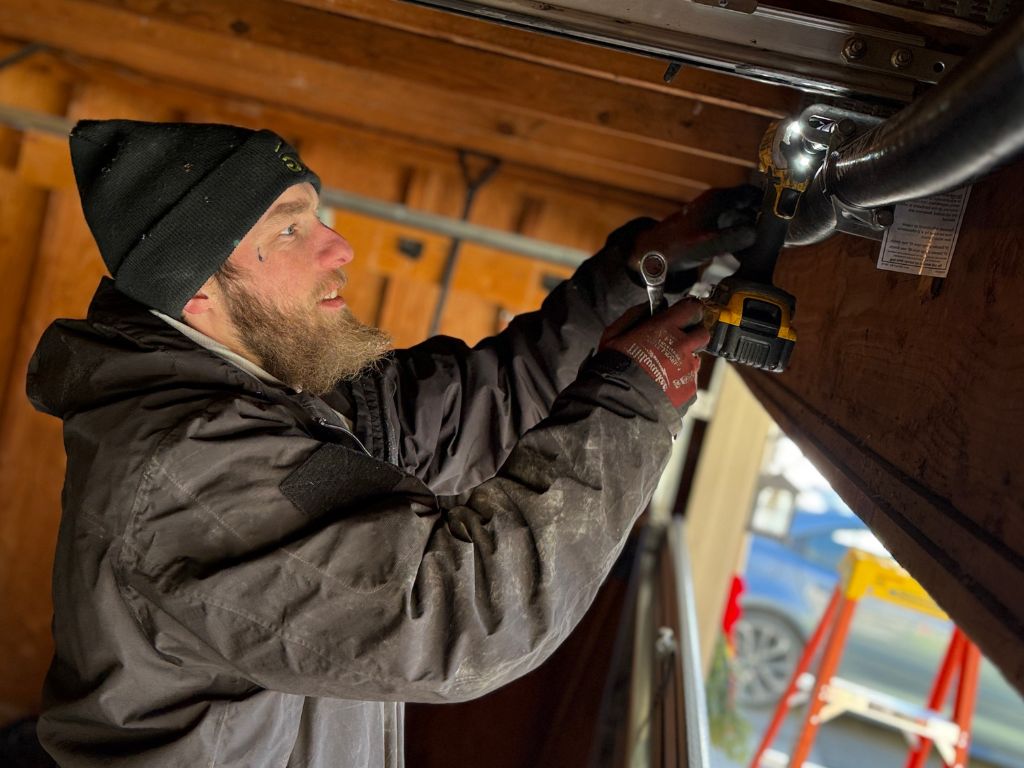
The garage door cable is another critical piece. Cables connect the spring system to the bottom bracket of the door, and they can fray or snap under heavy use. A snapped cable is dangerous and usually means the door will slam down. If you hear a loud bang and the door suddenly drops, a broken cable is a likely cause. In many cases, replacing the cable and resetting the spring tension is the core of a residential garage door repair visit.
Safety sensors are now standard on all modern openers. These sensors sit near the floor on each side of the door and send an invisible beam across the opening. If anything breaks that beam while the door is closing, the opener reverses direction. Over time, sensors can become misaligned, dirty, or damaged by a bump from a car or lawn equipment. When your door stops closing or reverses for no apparent reason, checking the sensor alignment is the first step. Brands like LiftMaster, Chamberlain, and Genie all use similar sensor designs, so replacement parts are widely available.
Garage Door Openers and Smart Controllers
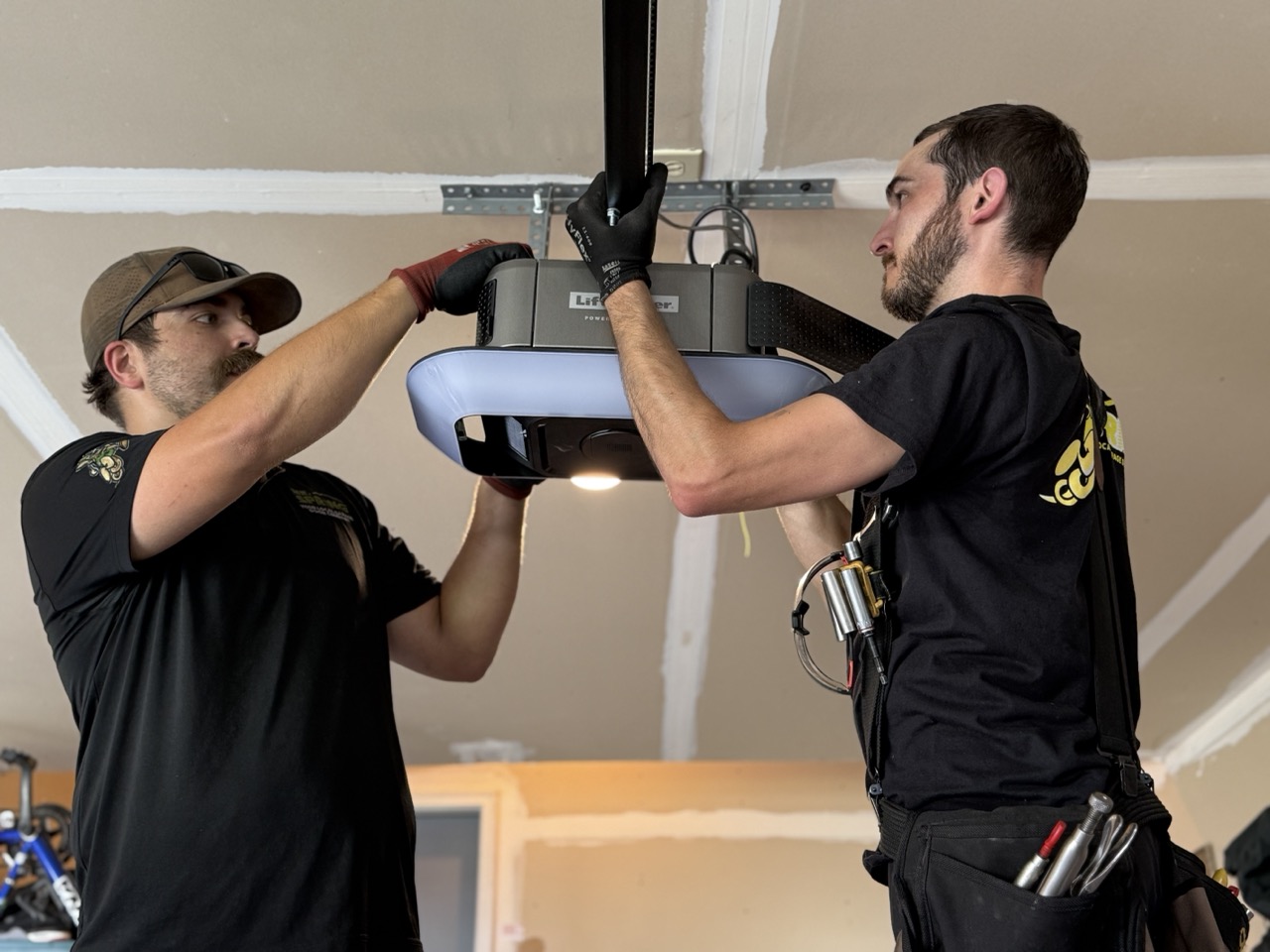
The garage door opener is the motor unit that drives the door up and down along the track. Openers from major manufacturers such as LiftMaster, Chamberlain, and Genie are common in homes around Minnesota. Each brand has its own quirks. Chamberlain units often have a learn button that makes pairing remotes easy, while Genie openers use a screw-adjustment system for travel limits. Knowing which brand you have can speed up troubleshooting when the opener stops responding or runs rough.
Smart garage door controllers have become popular in recent years. These devices let you monitor and operate your door from a phone, and they integrate with home automation systems. Many newer openers from LiftMaster and Chamberlain have built-in Wi-Fi, but older units can be upgraded with an add-on module. If your opener is functional but lacks smart features, adding a smart controller is a simple upgrade that doesn't require replacing the whole unit. Just make sure the controller is compatible with your opener's brand and frequency.
Door Materials and Styles
Garage doors come in several materials and styles, and the type you have affects what repair options make sense. Steel doors from Clopay and Amarr are common in the Twin Cities because they offer good insulation and durability. Wood doors are less common but can be found on older homes. Aluminum and fiberglass doors are lighter and resist rust, but they may dent more easily. Each material responds differently to temperature changes, which matters in Minnesota's climate. A steel door that gets dented near the bottom might be repairable by straightening the panel, but a deep crease often means replacing the whole section.
Roller garage doors are a distinct style often used in commercial buildings but also found in some residential settings, especially on garages with low headroom. These doors roll up into a coil above the opening and use a different spring and track system than panel doors. Repairing a roller door requires specific knowledge of the drum and curtain assembly. If you have this type, make sure the technician has experience with roller doors rather than just standard panel doors.
Panel garage doors are the most common residential style. They consist of multiple horizontal sections connected by hinges and rollers. When one panel gets damaged, you can often replace just that section rather than the entire door. Clopay and Amarr both offer replacement panels for many of their door models, which can save money compared to a full door replacement. However, if the damage is extensive or the door is more than 15 years old, replacing the whole door might be more practical in the long run.
Seasonal Considerations in Minnesota
Living in Minnesota means dealing with temperatures that can swing from below zero in winter to over 90 degrees in summer. These extremes affect garage door components more than you might expect. In winter, the garage door seal around the edges can freeze to the ground or become brittle and crack. A worn seal lets in cold air and snow, which can lead to ice buildup on the track. In summer, heat can cause metal parts to expand, making the door stick or bind. Regular lubrication of the garage door track and rollers with a silicone-based spray helps keep things moving smoothly through all seasons.
Another seasonal issue is the effect of cold on the torsion spring. Steel springs lose some flexibility in extreme cold, which can make the door feel heavier and put extra strain on the opener. If your opener struggles to lift the door on a frigid morning, the springs might need adjustment or the opener might be underpowered for the door's weight. A professional can measure the door's weight and adjust the spring tension or recommend a higher-capacity opener if needed.
When to Call a Professional
Some garage door tasks are safe for a handy homeowner to tackle, like lubricating moving parts, tightening loose hardware, or replacing a remote battery. But many repairs carry real risk. Torsion springs are under extreme tension, and releasing them without the proper tools and technique can cause serious injury. Similarly, working with garage door cables and the opener's limit settings requires understanding how the system balances. Residential garage door repair done by an experienced professional ensures the job is done safely and correctly the first time.

If your door is off its track, the springs are broken, or the opener is malfunctioning, it's best to call someone who does this work daily. In the Minneapolis and St. Paul area, companies like Mr. Spring Garage Doors specialize in these repairs and carry parts for brands such as Wayne Dalton, LiftMaster, Chamberlain, and Genie. They can diagnose issues quickly and often have the right parts on their truck, which means less downtime for your door.
A well-maintained garage door adds convenience and security to your home. By understanding the key components and knowing when to seek help, you can keep your door operating reliably for years. Whether it's a simple fix like replacing garage door rollers or a more involved repair involving the torsion spring, addressing problems early saves money and prevents bigger headaches down the road.
Corrections
Spot something wrong? Send it to the desk and it gets fixed in the open.